
 Signal
Sortation upgrades are quietly outpacing robotics headlines
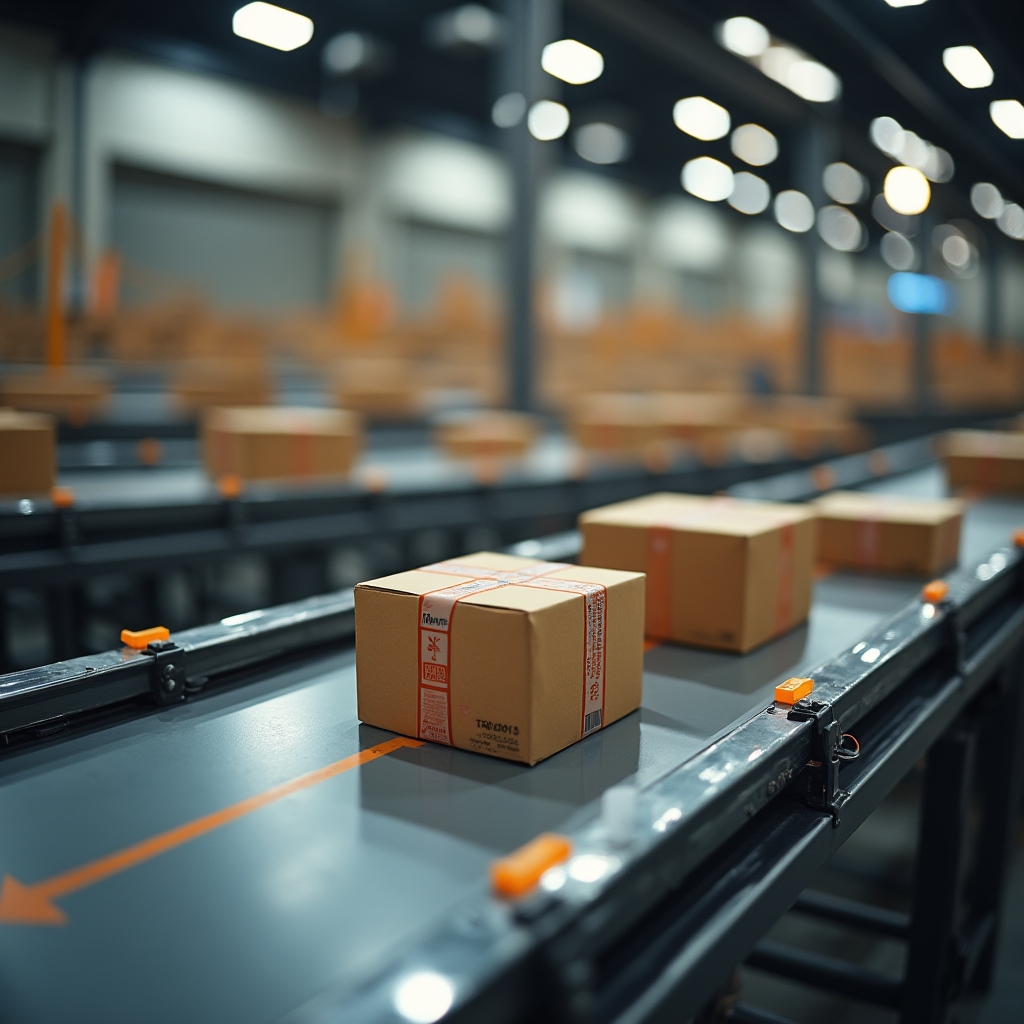
Conveyor and sortation retrofits get far less coverage than mobile robots, despite steadier payback timelines in high-throughput facilities.
Read moreBirega tracks warehouse automation technology as it moves from trade-show floor to live operations, and writes up what we find in plain language. No vendor placements, no hype cycle, no advice tailored to sell you anything.

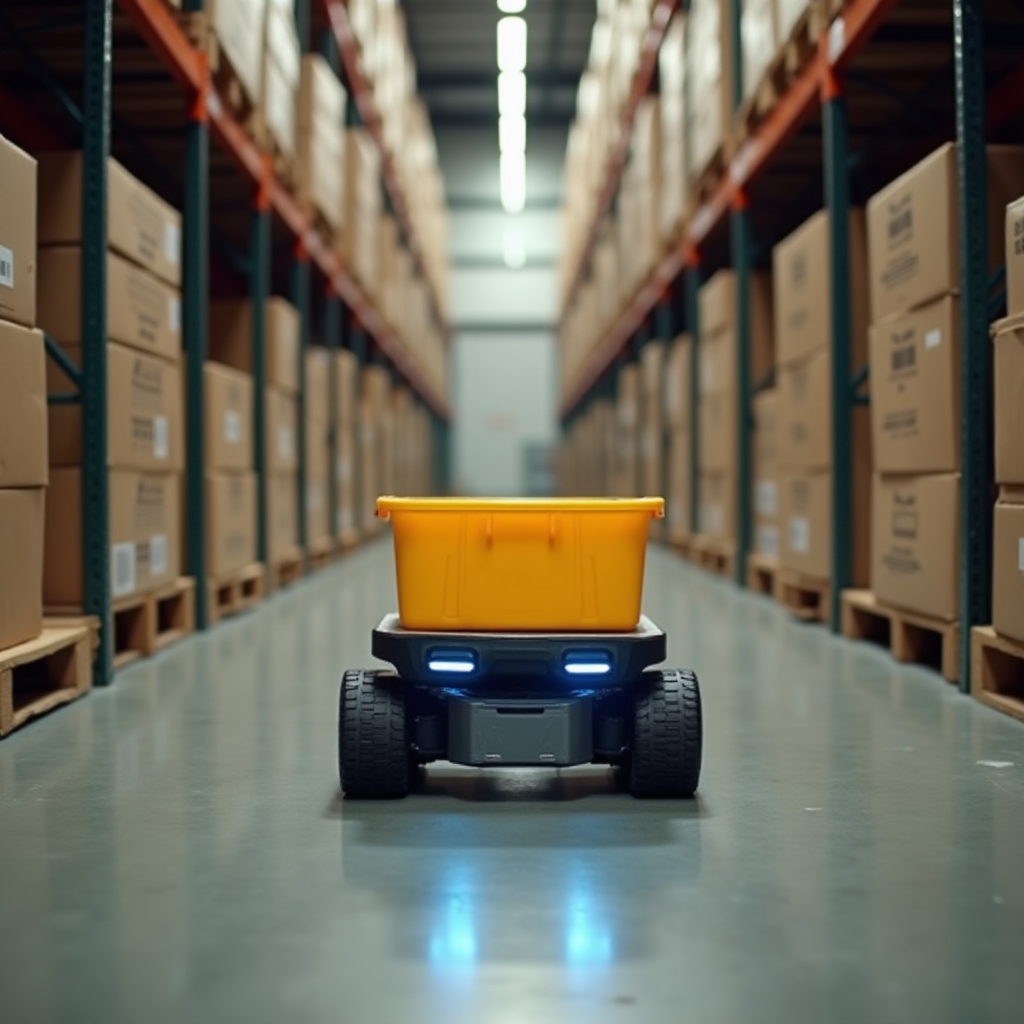
A fleet sized for a demo floor and a fleet sized for your actual SKU velocity are rarely the same number. We look at what operations settle on after twelve months, not after the trade show.
New automation categories get announced every quarter. Very few of them get discussed in terms an operations budget can use. Birega exists to close that gap for logistics managers who have to sign off on capital, not just admire a robot demo.
Each category below carries its own maturity curve, its own integration cost, and its own point where the numbers stop making sense for smaller operations.
Flexible, floor-based, and increasingly common in mid-size facilities. The question isn't whether they work, it's whether your aisle widths and SKU mix justify the fleet size a vendor recommends.
Mature, low-risk technology in most cases. Still worth checking against order profile, since dense multi-line picking benefits far more than single-SKU fulfillment.
High upfront cost, long planning horizon, and a real ceiling-height dependency. Often discussed as a small-facility option when it rarely is one.
A newer category with genuinely uneven vendor maturity. Some deployments handle damage detection well. Others still need a human in the loop more often than advertised.
The unglamorous layer that determines whether any of the above actually talks to your existing systems on schedule and on budget.
A technology that pays back in eighteen months at one facility size can sit idle for three years at another. We frame findings by scale rather than treating every warehouse as the same operation.
Single-site facilities usually get more mileage from targeted pick-to-light or voice systems than from a robotics fleet. Capital tied up in AMRs sits idle if order volume doesn't fill their capacity.
This is where AMR pilots tend to make sense, provided peak-season staffing gaps are the actual problem being solved rather than a general modernization goal.
Integration and data standardization across sites often matters more than any single piece of hardware. A WMS that can't unify reporting undercuts automation gains elsewhere.
AS/RS and large-scale sortation can pencil out here, but the planning horizon runs years, not quarters, and the internal change-management workload is often underestimated.
Four steps, applied consistently, whether the category is brand new or has been around for a decade.
We follow deployment reports, procurement discussions, and integrator feedback alongside vendor materials.
Ceiling height, SKU velocity, dock count, and labor market conditions all change whether a claim holds up.
A category can be well-marketed and still immature, or unglamorous and thoroughly proven. We try to say which is which.
Written for people who need to make a decision, not for people who already work in robotics engineering.
Signal
Conveyor and sortation retrofits get far less coverage than mobile robots, despite steadier payback timelines in high-throughput facilities.
Read more Caution
A unified screen looks impressive during a vendor demo. It's only useful if the underlying systems are actually exchanging clean data.
Read more Signal
Not new, not exciting, but the failure rate on well-scoped pick-to-light installs is consistently lower than newer categories.
Read moreDamage and mis-pick detection accuracy varies widely between vendors. We're tracking which deployments hold up outside a controlled pilot.
Read moreShort, structured tracks that teach the questions to ask before signing a purchase order.
A self-paced walkthrough of the operational data worth gathering before you take a first automation meeting.
A cohort-based workshop on the assumptions typically hidden inside payback-period math.
How to structure a pilot program so the results actually tell you something about full-scale rollout.